Window coverings have important value in any interior decor. It helps in designing the whole ambience of the window. Selecting the right fabric to craft your drapes or curtains is significant. With the wide variety of options, choosing the best is difficult. Thus, Blinds Curtain Dubai offering this expert guide. Follow the tips from this and choose the right fabric for your curtains.
How To Choose the Best Fabrics for Curtains & Drapes
Selecting the right window treatment with expert guidance is the right decision. Through these ways, you can get fabric that offers temperature insulation, privacy, and durability all in one. From heavy drapery fabric to regular curtain material, this guide covers every option.
Difference Between Drapery & Curtains
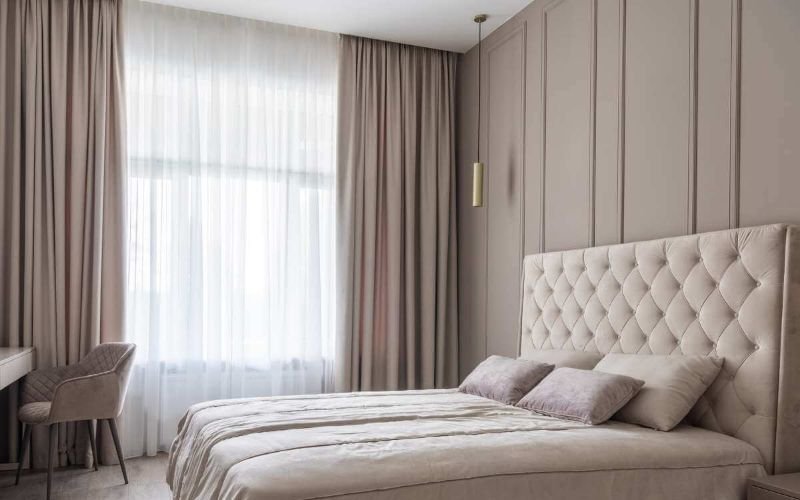
Here is the clear difference you have to learn before selecting the fabric, either for draper or curtain.
Drapery
These are heavy-duty fabrics that are suitable for formal and luxury window treatments. They offer multiple facilities, such as complete light blockage and insulation. The majority of the customers keep the floor length for style and elegance.
Curtains
Curtains are made from simple, day-to-day usage fabrics, such as cotton and linen. They are used to cover the windows of houses and commercial spaces.
Fabrics For Drapery
The most crucial step is choosing the fabric for manufacturing drapery. Make sure to choose every aspect of quality, material, colour, and texture before finalising. Moreover, as they are heavy fabrics, the selection of thickness also matters. For proper selection, choose the best-featured fabric.
Velvet
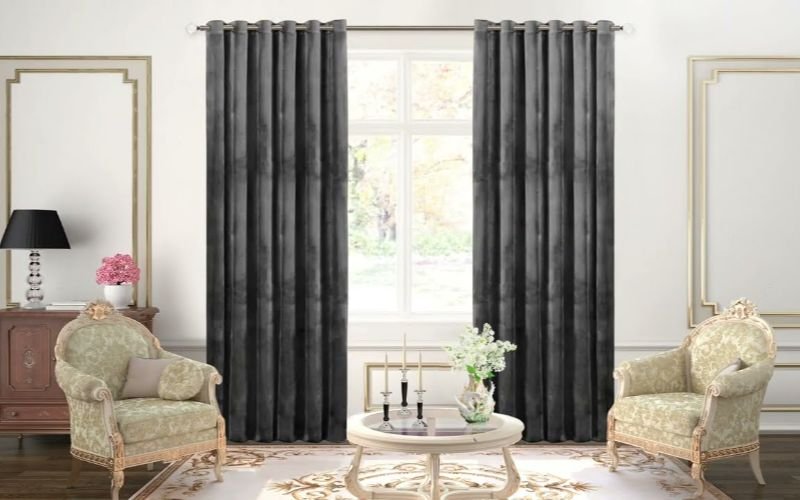
For drapery in the luxurious interior, velvet is the right choice. Its shiny surface attracts customers and gives a pleasant look. In every lavish home and 5-star hotel, velvet drapes can be seen. It holds classic vibes and a warm texture. Moreover, due to their density, they are most effective at regulating room temperature. These can be used in the bedroom to create a quiet ambience and help you sleep in peace. Further, opening the velvet drapery during the day will offer total darkness.
Tapestry
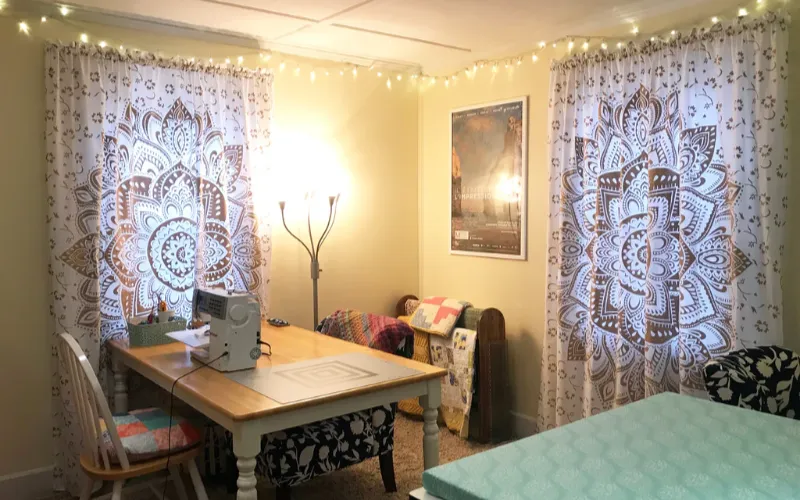
These closely-woven fabrics provide artistic vibes. Through the pattern design, they represent the artisan qualities. Due to their insulated, dense fabric, they offer complete insulation in both summer and winter. This stylishly designed fabric is best suited for installation in the drawing room to add an artistic touch. In restaurants and hotels, these are preferred due to vibrant colours and abstract art. It lowers the cost of hand-painting.
Brocade
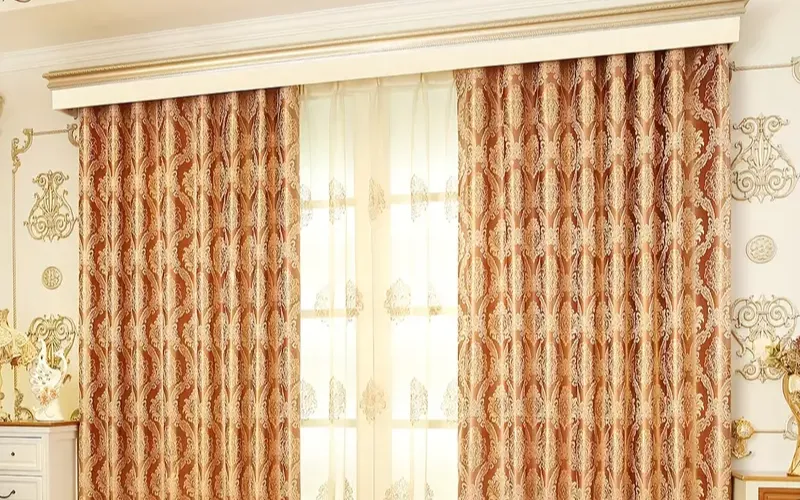
The most trendy drapery design used commercially to create a classical look. This style of drapery was initially outdated, but now people are getting used to following this design. These very elegantly woven fabrics include floral and motif designs. To preserve the history and timeline in a window frame, brocade is the best option. This style accurately complements the neoclassical style. Through properly switching and inserting the rings, these drapes elevate the style of the windows.
Chenille
These dense, soft fabrics are a good option for making window coverings. Other than aesthetic beautification, these further provide functional results that help the customers. Just like, maintain privacy and control the light. This is a mixed fabric that is developed from several other fabric mixtures. Its strong, highly dense nature makes it a pillar that blocks all harmful UV light. Moreover, it offers insulation in the winter and summer. Besides, they do not get scratched and do not fade easily.
Fabric For Curtains
Fabric selection for making the curtains is more critical than selecting the print. Fabric can enhance the functionality of the window. For the proper selection, some key elements should be kept in mind, such as window location, the function of the room, and fabric durability. By reviewing all these features, the result should be based on functional and practical considerations.
Linen
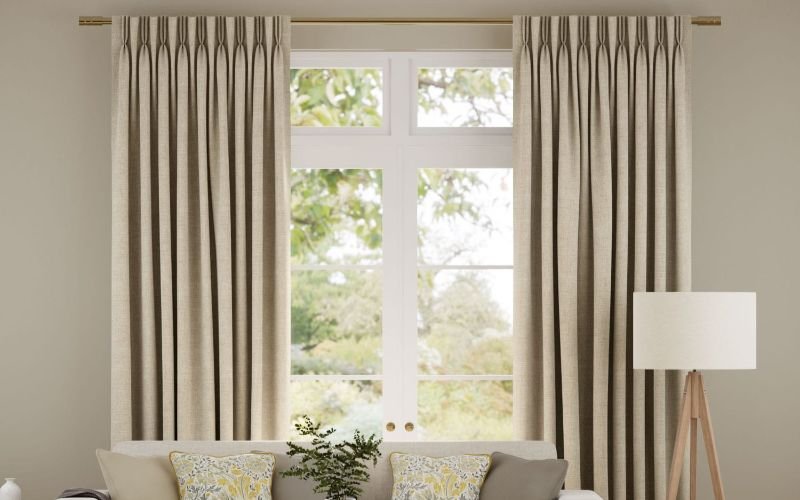
Linen is made from soft fibres that add sophistication to any room. This is a light filter that offers breathable features. Experts advise that linen is a very delicate material, which is why linen curtains requires more effort and care. They are the old weaving style, which is why the fabric came out strong. The texture comprises several patterns, such as coarse or slub textures.
Cotton
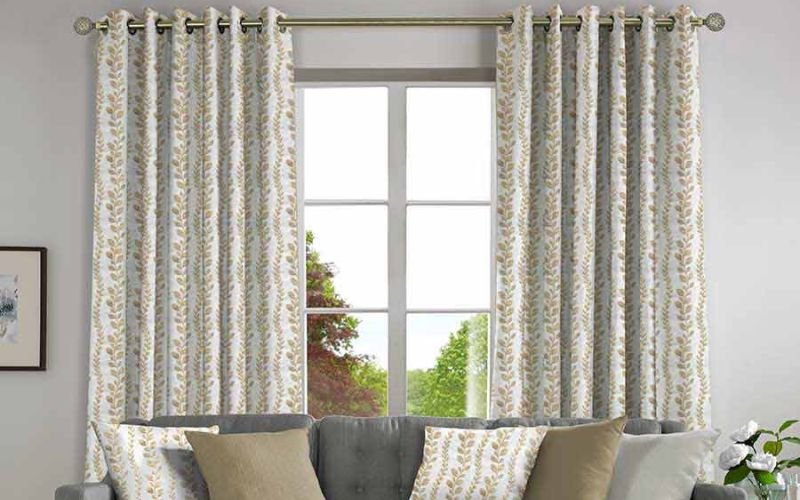
Cotton is the most common fabric used to make home curtains. It is easy to transform and style the cotton fabric into any design, such as adding embroidery or hand-painting with acrylics. Moreover, it is easy to wash fabric in such a budget-friendly way. Cotton actually varies from light to medium or dense. Light cotton is used to make curtains for living areas. Further, thick cotton is suitable for creating privacy in the bedroom. At the same time, denim and cotton help protect against the climate’s hot and cold extremes.
Silk
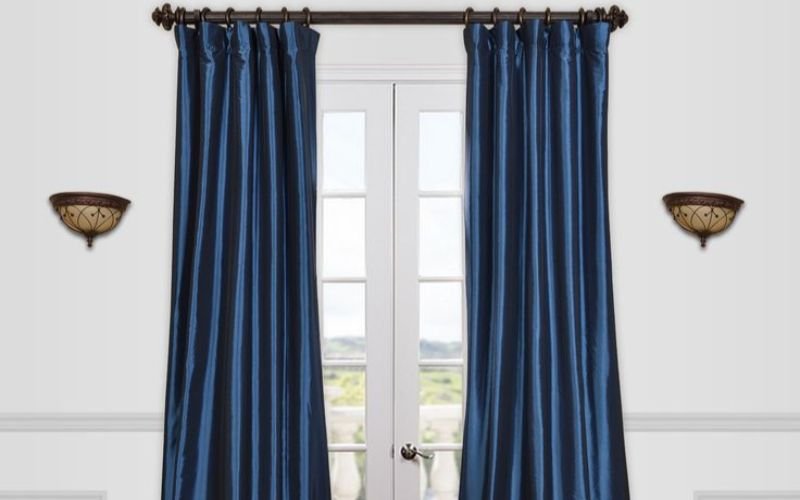
It is a natural fabric that was made in China years ago. Farmers have extracted silk from silkworm cocoons. It is an expensive curtain fabric due to the natural weaving structure. Silk can be painted, keep it plain to make curtains. Silk Curtains are the light that are placed at the entrance. Silk fabric can be crafted into various curtain styles to meet the client’s needs. These shiny, glamorous fabrics are the right fit for luxury rooms. Further, you can utilise them in a corporate meeting room. Due to their glossy surfaces, these smooth, silky fabrics reflect light and attract attention.
Polyester
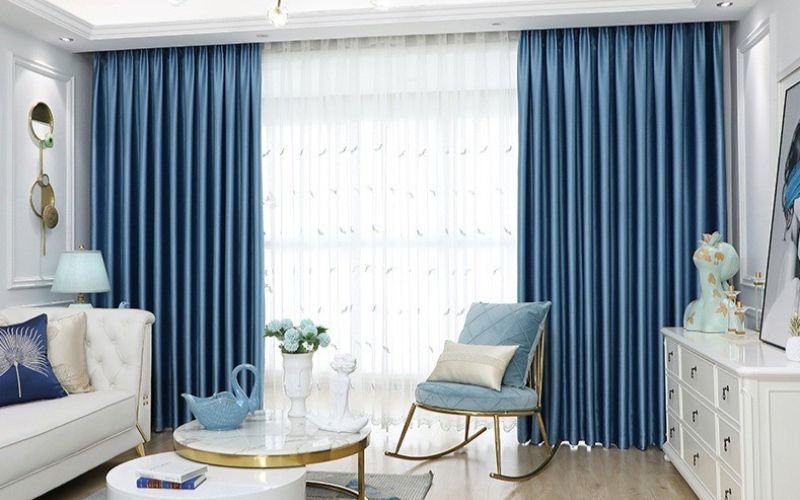
The best and durable material for making curtains. These fabrics are affordable, thus it is easy to make curtains from them for a wide range of windows. This material is highly durable; hence, it cannot be affected by scratches, wear and tear. They are fade-resistant fabrics; you can install them on a balcony or terrace without fear. Additionally, they do not lose colour during washing.
Final Thought
Curtain and drapery are two different types of window hangings. Fabric selection for drapery and curtains requires several considerations, including purpose, thickness, length, and texture. We hope that from the above-mentioned details, you are now aware of the best fabric options that you can use for the curtains and drapery.